Collection: PCFX
Released exclusively in Japan on December 23, 1994, by NEC and Hudson Soft, the PC-FX is a 32-bit home console aimed as the successor to the PC Engine. Designed like a vertical mini-tower PC, it focused on high-quality 2D graphics and Full Motion Video (FMV), notably lacking 3D polygon capabilities, leading to its commercial failure and discontinuation in 1998.
- Shared "Brain" with the Virtual Boy: The PC-FX used the same NEC V810 RISC CPU that powered Nintendo's Virtual Boy. While both systems are often remembered as commercial failures, this processor was highly advanced for its time.
- A Tower of Wasted Space: Its iconic "tower PC" look was intentional to make it stand out at the 1994 Tokyo Toy Show. Interestingly, the console’s large size included intentional empty space inside to allow for future hardware upgrades and expansion cards that were never actually released.
- The "Anime Machine" by Mandate: Unlike the PC Engine, which had a wide variety of arcade-style games, NEC specifically directed Hudson Soft to focus the PC-FX library on popular anime franchises and FMV-rich story games. This strategy ultimately barred fan-favorite series like Bomberman and Bonk from appearing on the system.
- Superior Full Motion Video (FMV): While it lacked 3D power, it was a 2D beast. It used a unique Motion JPEG decompression system that allowed it to play 30 frames-per-second video with higher quality than the PlayStation or Sega Saturn, which relied on more compressed MPEG formats at the time.
- A Two-Year Delay for Success: The console's hardware was actually ready by late 1992 (under the codename "Iron Man"). However, NEC delayed the launch for two full years because the original PC Engine was still selling so well. By the time the PC-FX finally launched in late 1994, its 2D-focused tech was already being overshadowed by the 3D revolution
ALL CONSOLES AND GAMES ARE TESTED PRIOR TO SALE
Games are in Good to Very Good Condition unless noted in product description

-
NEC FX-PAD Controller
Regular price $55.00 USDRegular price -
Team Innocent: The Point of No Return
Regular price $100.00 USDRegular price -
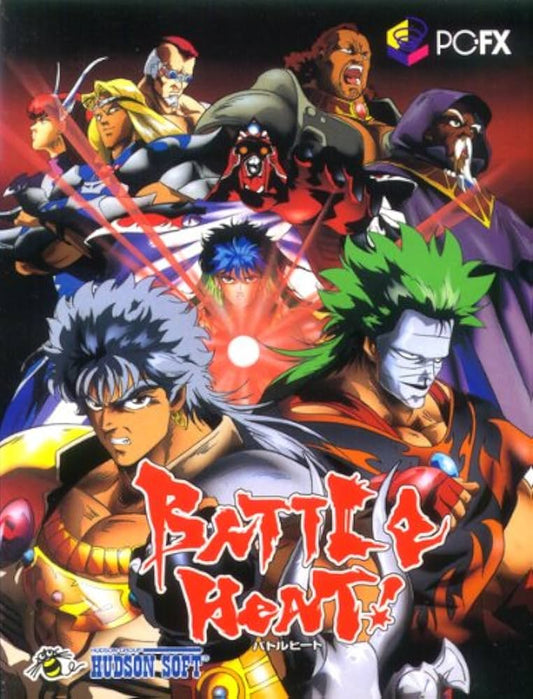
Battle Heat
Regular price $70.00 USDRegular price -
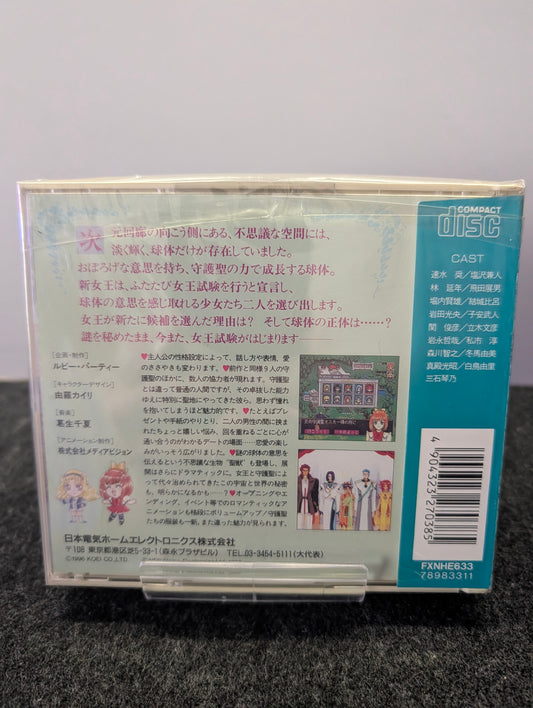
Angelique Special 2
Regular price $29.99 USDRegular price