Collection: Arcade
The Japanese arcade ecosystem is a legendary world of uncompromised performance, serving as the birthplace of competitive fighting games, intense bullet-hell shoot 'em ups, and groundbreaking 3D simulation hardware. Dominating the global amusement scene from the late 1970s through the 2000s, Japan’s arcade industry pioneered tech that ran circles around home consoles, establishing the iconic "candy cabinet" culture that enthusiasts still chase today.
- The Golden Universal Standard: Introduced by Japan's arcade giants in 1985, the JAMMA (Japan Amusement Machinery Manufacturers Association) wiring harness completely revolutionized the industry. Before JAMMA, every single arcade game required a proprietary cabinet wiring setup. This universal 56-pin standard allowed arcade operators to swap entirely new game boards into a single cabinet in under five minutes, permanently changing how games were distributed and localized.
- Arcade Hardware in Your Living Room: Japan's arcade industry frequently built systems so powerful that they became the architecture for home consoles. SNK’s legendary MVS (Multi Video System) arcade hardware was physically repackaged into the luxury Neo Geo AES home console, providing pixel-perfect parity. Sega followed a similar path, building their NAOMI arcade board directly on Dreamcast architecture, which allowed flawless arcade titles to be rapidly ported straight to living rooms.
- The "Candy Cabinet" Phenomenon: Unlike blocky, dark wood American arcade cabinets designed for standing players, Japanese cabinets like the Sega Astro City or Taito Vewlix were built for sitting down. Dubbed "candy cabinets" due to their sleek, glossy white fiberglass and plastic shells, these sit-down machines prioritized ergonomic comfort, crystal-clear CRT and LCD displays, and premium microswitch control panels designed for hours of intense tournament play.
- The PC-Based Digital Revolution: By the mid-2000s, Japanese arcades shifted away from traditional silicon circuit boards to robust, specialized PC-based digital platforms like the Taito Type X and Sega Lindbergh networks. These heavy-duty industrial systems utilize high-speed internal hard drives and proprietary USB security dongles to load games. This modern architecture allows technical operators to flip onboard DIP switches to instantly shift video output configurations between low-res 15kHz retro CRTs or widescreen 1080p high-definition cabinets.
- Unmatched Multi-Slot Versatility: To maximize floor space and earnings, Japanese developers designed brilliant multi-slot systems that housed multiple games simultaneously. SNK's MVS systems allowed cabinets to hold up to six independent game cartridges at once, letting players cycle through different fighting or sports games using a select button on the control panel, effectively packing an entire arcade row into a single cabinet footprint.
ALL GAME BOARDS, CARTRIDGES, AND PARTS ARE TESTED PRIOR TO SALE
Hardware items are in Good to Very Good condition unless noted in the product description.
Hardware items are in Good to Very Good condition unless noted in the product description.

-
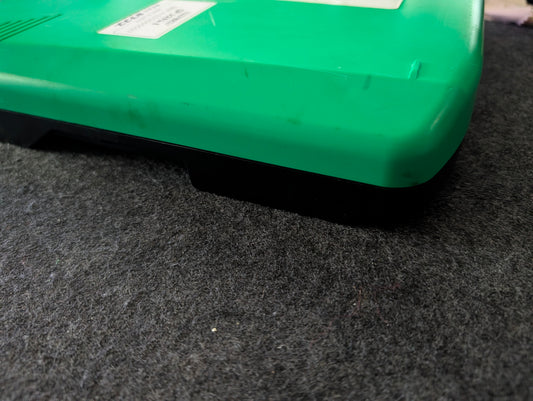
Vampire The Night Warriors - CPS II "B" Board
Regular price $339.99 USDRegular price -
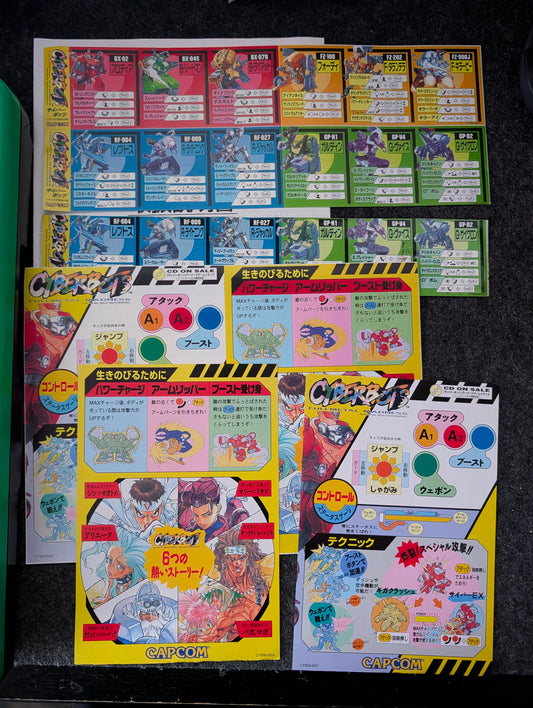
Cyberbots: Fullmetal Madness - CPS II "B" Board
Regular price $369.99 USDRegular price -
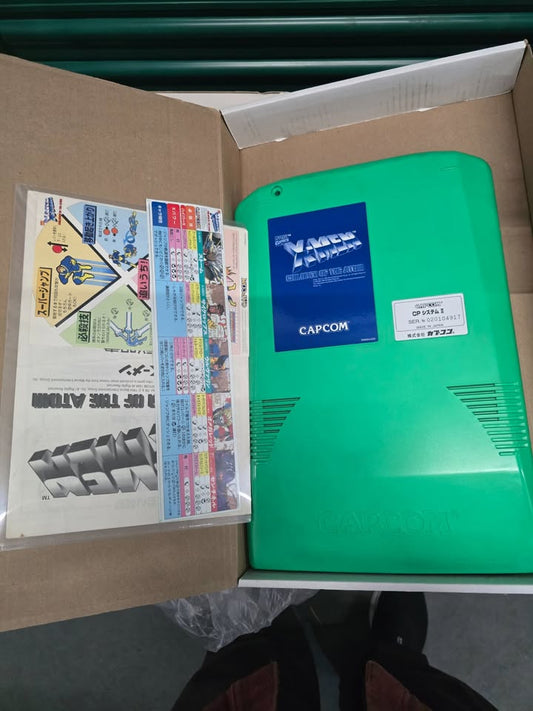
CAPCOM CPS 2 XMEN CHILDREN OF THE ATOM - InfiniKey-CPS2
Regular price $349.99 USDRegular price -
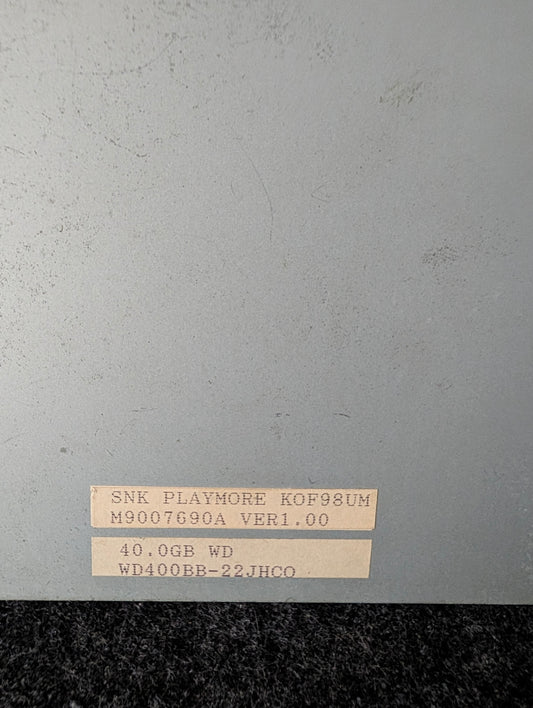
The King of Fighters '98: Ultimate Match
Regular price $159.99 USDRegular price -
Street Fighter IV (v1.0) Taito Type X2
Regular price $124.99 USDRegular price